📻 UV-5R Dual-Band Two-Way Radio – Clear, Rugged & Grid-Proof ✨
📻 UV-5R Dual-Band Two-Way Radio – Clear, Rugged & Grid-Proof ✨
Couldn't load pickup availability

📻 UV-5R Dual-Band Two-Way Radio – Clear, Rugged & Grid-Proof ✨
Handheld Two-Way Radio
Stay in Touch When Your Group Spreads Out.
Press to talk with your companions on compatible radios, even without cell service or Wi-Fi. Agree where to meet, ask someone to wait, or call for a hand while you are within radio range.
- Direct Voice Contact
- No Wi-Fi Needed
- Quick Group Calls
- Light After Dark


For the Moments You Need a Quick Answer
Less Shouting. Fewer Trips Back to Find Someone.
Someone walks ahead. Another stays by the car. Your plans change, but a message goes unread. A radio call lets you ask a companion to wait, change the meeting point, or bring something you forgot.


Use it for local check-ins between people carrying radios. Everyone needs a compatible radio with matching settings, and terrain, trees, buildings, and interference affect the usable range.

128 memory channels let you save the settings you use with your group, so you can return to them more easily. Tone settings filter unwanted audio; they do not encrypt conversations.
Useful Details for Time Outdoors
Check Your Channel. Keep a Light Close.
See your selected settings before you call, keep radio check-ins separate from your phone's battery, and light up nearby gear when the sun goes down.

The LCD display helps you check the selected channel and settings before making a call to your group.

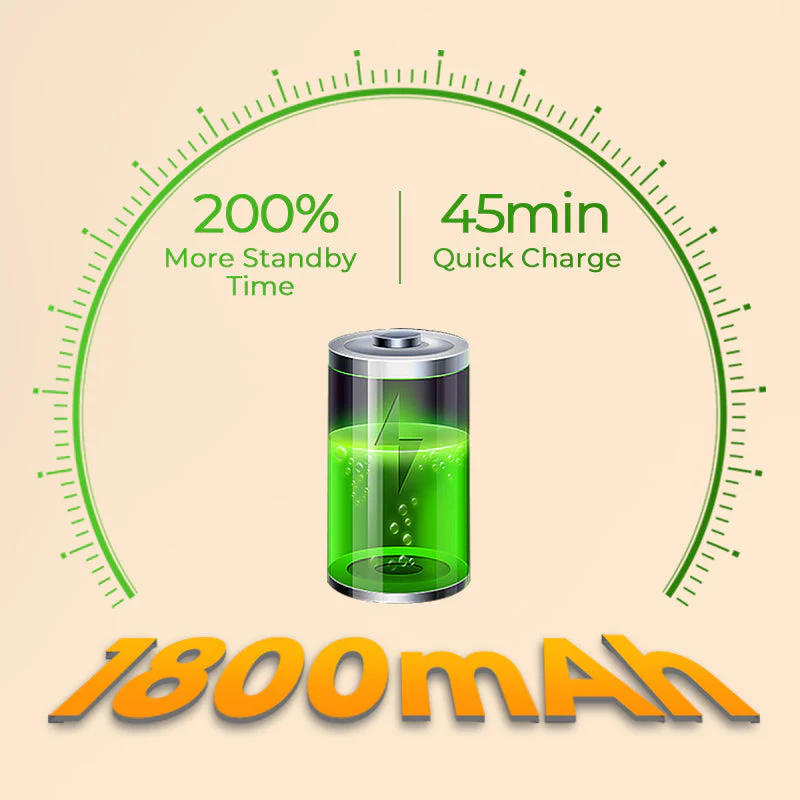
The radio has its own rechargeable battery. Use it for short voice check-ins while keeping your phone's charge available for other tasks.

After dark, use the built-in flashlight to find a tent zipper, look inside your bag, or check nearby gear.
When to Bring It
On the Trail. Around Camp. Close to Home.
Especially useful when your group spreads out and needs short, frequent voice check-ins within local radio range.
-
Hiking at Different Paces
Ask the person ahead to pause at the next junction, or agree where to regroup when you are walking at different speeds.
-
Moving Around Camp
Ask someone at the car to bring a jacket, or let the group know dinner is ready without walking back across the campsite.
-
Fishing in Separate Spots
Tell your companion you have moved along the bank, need a hand, or are ready to head back.
-
Local Backup During Outages
Charged radios give equipped family members a local way to check in when phone calls or messaging are unavailable.

-
Prepare a Radio Each
Each person who needs to talk and listen needs a compatible radio with its antenna and charged battery installed.
-
Match Your Settings
Choose matching authorized frequency and tone settings. Test the connection together before heading out.
-
Press to Talk
Hold the PTT button to speak. Release it to listen.


Good to Know
Your Questions, Answered.
What can I do with this radio?
Talk directly with someone using a compatible radio: agree where to meet, ask them to wait, request a hand, or share a change of plan. It is designed for local voice communication within usable radio range.
Do we need a radio each?
Yes. Each person who needs to speak and listen needs a compatible radio set to matching authorized frequencies, mode, and tones. This radio does not call regular mobile phone numbers.
Will it work without cell service or Wi-Fi?
Yes. Correctly configured radios communicate directly without a cell tower or Wi-Fi router. They must be charged and within usable range. Terrain, trees, buildings, and interference affect the connection.
When is it most useful?
When a group spreads out and needs quick local check-ins: hiking at different speeds, moving between a campsite and parked cars, or fishing in separate spots. Test the connection together before setting off.
Can it help during a power outage?
Charged, correctly configured radios can provide local voice contact between equipped family members when phone calls are unavailable. Each radio still needs battery power and a usable radio connection. The built-in light also helps with nearby tasks in the dark.
Do I need a license to transmit?
Requirements depend on your country and the frequencies used. In the U.S., transmitting on amateur radio frequencies requires an appropriate FCC amateur radio license. Use only frequencies and settings you are authorized to use.
Let your group know where to meet, when to wait, and what you need with a quick radio call.